You should own everything you paid for, in a form you can actually use without calling the agency back.
What handoff used to look like
This topic keeps changing. Traditionally, at the end of a brand project, an agency would hand over the logo files, fonts, graphics and pretty much everything they made. Usually it arrived as a PDF or a Google Drive link.
That's still useful. But now there's a lot more you can hand over, in a way that's much easier for the company to use.
What handoff looks like now
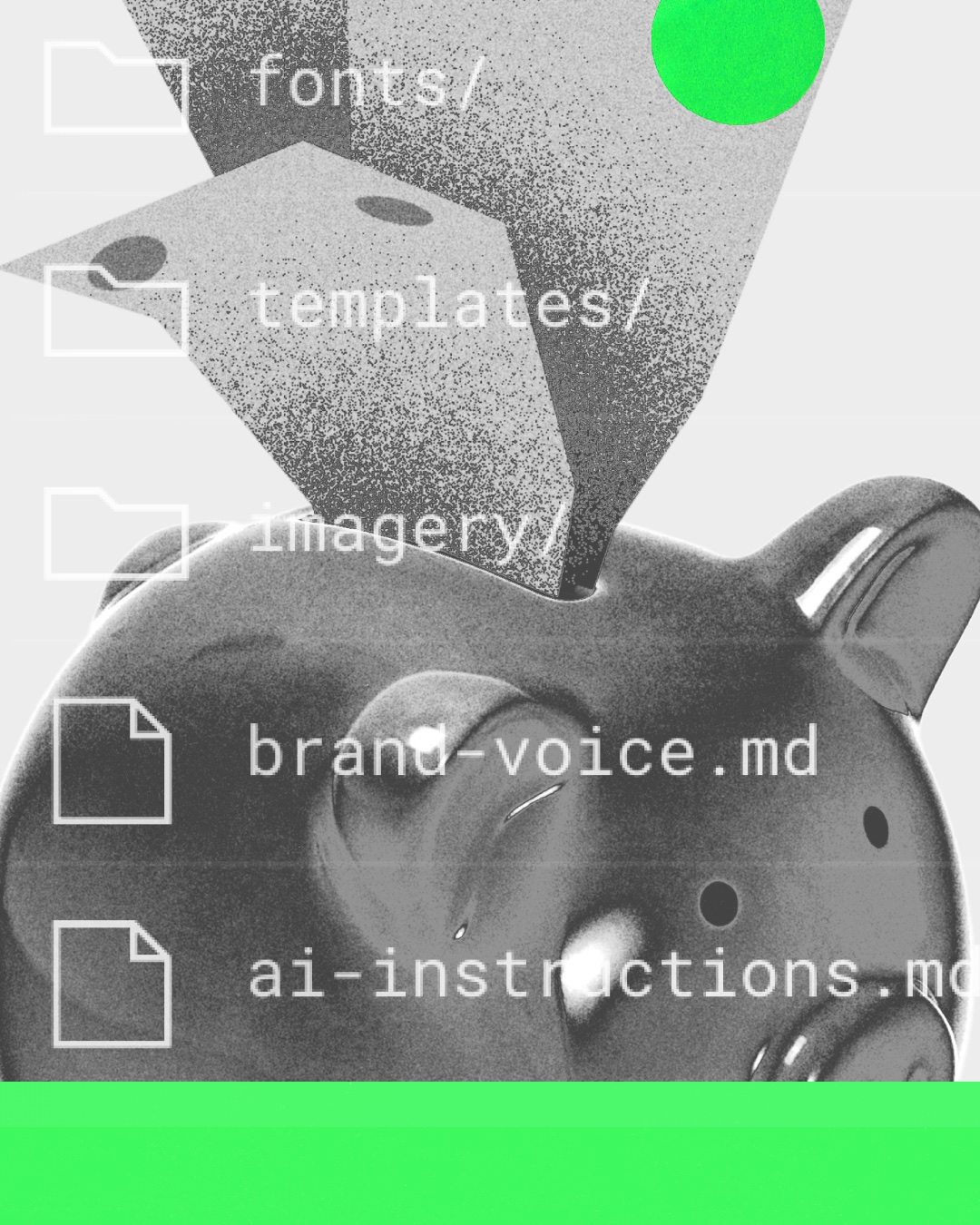
At Super-Conscious, we build a repository for each project, using GitHub. You can plug it into whatever AI tool you use, and work with the files directly.
That does a few things:
- Version control. Everything stays organized, and you can see what changed.
- One place for everything. No more hunting through old email threads.
- Usable patterns. You can use the templates and patterns we built without being a designer.
If you're not a creative, you shouldn't have to learn Figma or Canva just to put your brand to work. The repository makes the brand usable.
What some agencies hold back
What I'm starting to see agencies hold back now is the inputs for AI: the files and instructions that let a company's AI tools produce on-brand work. Some are reluctant to hand those over, because that's what keeps the client needing them.
I get it. But this is a service.
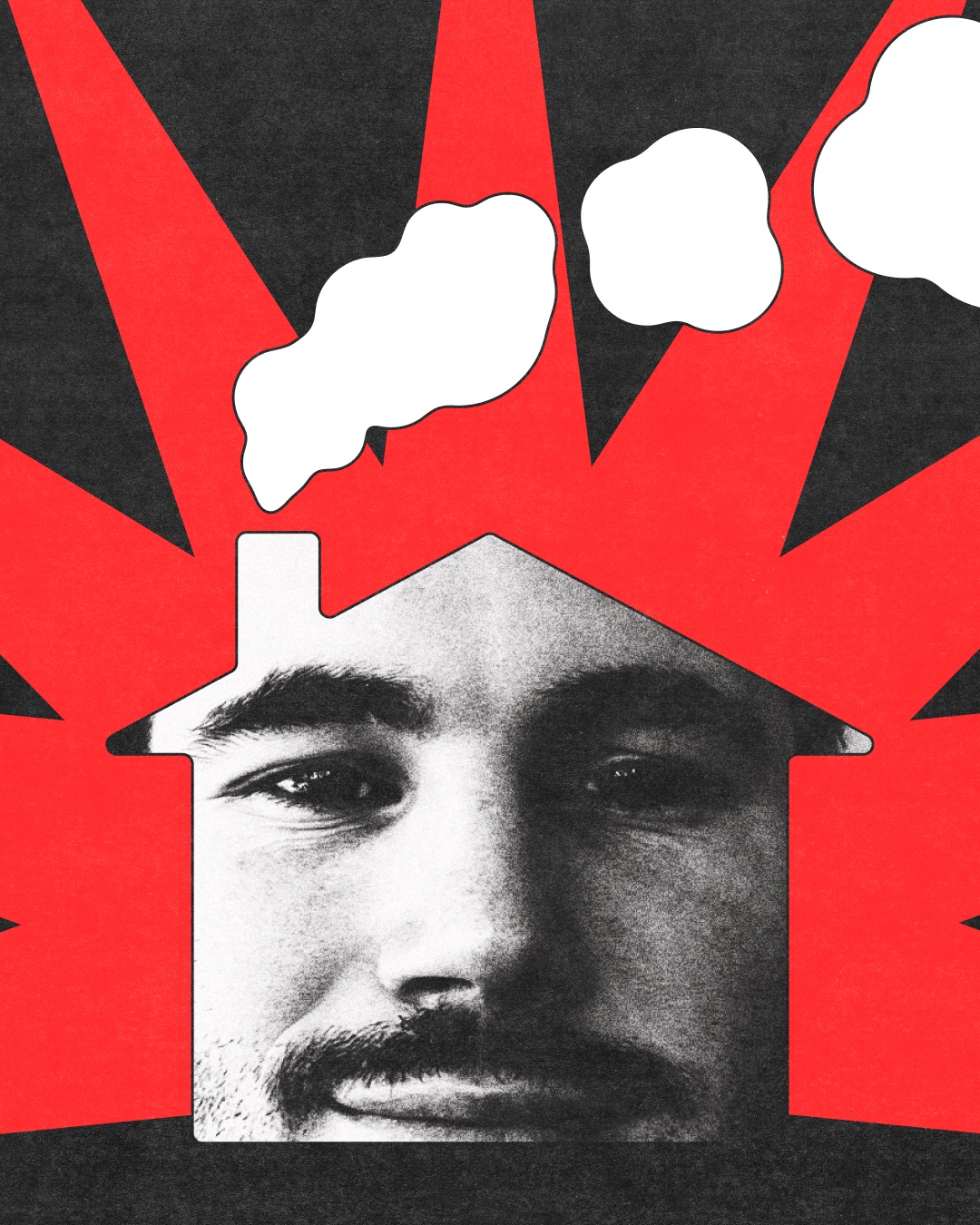
I have a wood-burning fireplace. Imagine if I could only use it when the people who installed it came over. Would that be great? No. I don't want them coming over all the time. I hired them because they did a great job, and I want to enjoy everything the fireplace offers. If I had to call them every single time, it would be pointless.
Why we hand over everything
Companies invest in brands, websites and campaigns to solve specific business problems. Holding back the tools just adds pushback on something they've already paid for.
Clients should come to you for your expertise and the results you help produce. Not because you're the only one who knows how to make their email templates look right.
And honestly, every creative should be glad to see a brand used properly, instead of policing it with "that's off-brand" or "wrong color." AI is making brands more usable. That's a good thing.
What to ask before you sign
Before signing, get a list of the deliverables and confirm which ones you own the rights to.
It's worth knowing that paying for the work doesn't make it yours on its own. In the US, a transfer of copyright has to be in writing and signed, so make sure the contract says it.
Some usage limits are fair. Photographers, for example, usually keep the copyright to their images and license them for a set use. When someone's likeness is in the photo, talent rights can limit it further. That's understandable.
But for anything that doesn't depend on talent, you should have the full rights to use it. If the contract says otherwise, take another look and ask how it can work better for your business.
What happens if you don't own it
If you don't get the files, you'll end up spending a lot of time and money rebuilding everything. This work isn't cheap. You shouldn't have to start from scratch every time.
Sources
- US Code, via Cornell LII17 U.S.C. § 101, definitions (work made for hire)
- US Code, via Cornell LII17 U.S.C. § 204, execution of transfers of copyright ownership
- US Copyright OfficeWhat is copyright?
- US Copyright Office, Jan 2025NewsNet issue 1060