The five-day workweek has been the default for more than a century. It was designed for factories and offices in another era, where productivity was measured in shifts and hours. In advertising, it became something else entirely.
The five-day schedule was rarely five days at all. It stretched into nights, bled into weekends, and carried the unspoken expectation that the grind never stopped. We lived that life, and we felt the weight of it. The burnout. The campaigns stacked endlessly. The belief that more hours automatically meant better work.
When we came together to start Super Conscious, we knew we wanted something different. We wanted to build a studio where the work was still excellent, but the people making it weren't running themselves into the ground. That's why we made the decision early on to adopt the four-day workweek. Not as a perk, not as a stunt, but as a structural choice about how we wanted to work and live.
What we found is that when you shorten the week, the work sharpens. People cut the meetings that don't matter. They skip the busywork. They focus on what's essential because the time to get distracted isn't there. Instead of stretching tasks across five slow days, the same projects get done in four focused ones. Productivity doesn't go down. If anything, it goes up.

But the real shift is in the creative energy. Ideas don't arrive on command; they need space. They need rest and inspiration and moments outside of the office. A three-day weekend gives people that breathing room. They come back on Monday not drained but refreshed, curious, and ready to create. Compare that to the traditional ad model where people stumble into Monday already half-spent, and it's no contest. For creative businesses, energy is everything, and the four-day week creates it.
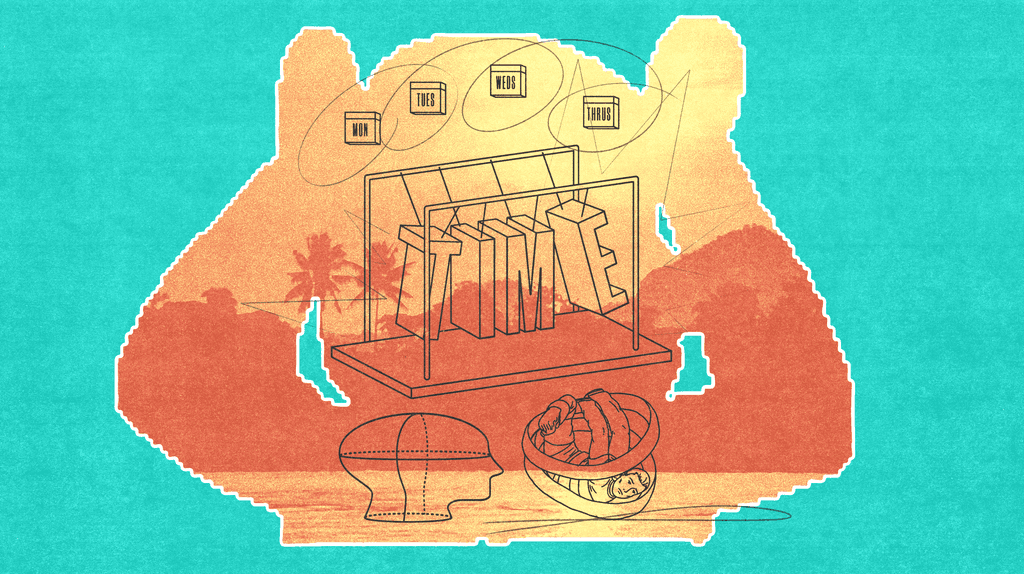
The benefits ripple outward. People feel less stress. They have more time for family, for community, for simply living. They're happier and healthier, which makes them better at their jobs. They stay longer. They care more deeply about the work. And that shows up in the output. Our clients don't notice a missing day. What they notice is the quality. They notice sharper ideas, faster turnarounds, fewer mistakes. They don't hire us because we're sitting at our desks on Friday. They hire us because the work lands.

In the end, the four-day week is not about working less. It's about working smarter. It's about outcomes over hours. It's about rejecting the old model that said exhaustion equals commitment, and proving instead that great work can be done in a way that sustains both the people and the company. Working fewer days doesn't mean caring less. It means caring better: about the craft, about each other, and about building a studio that can last.