[ Websites ]
Built to be somewhere
worth landing.
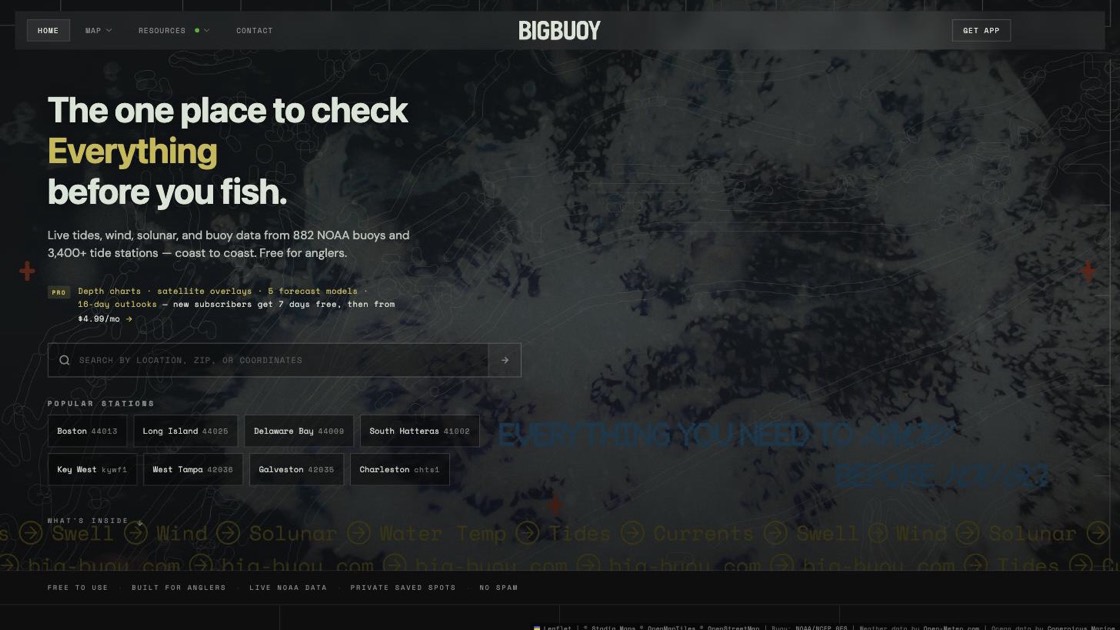
[ Proof ]
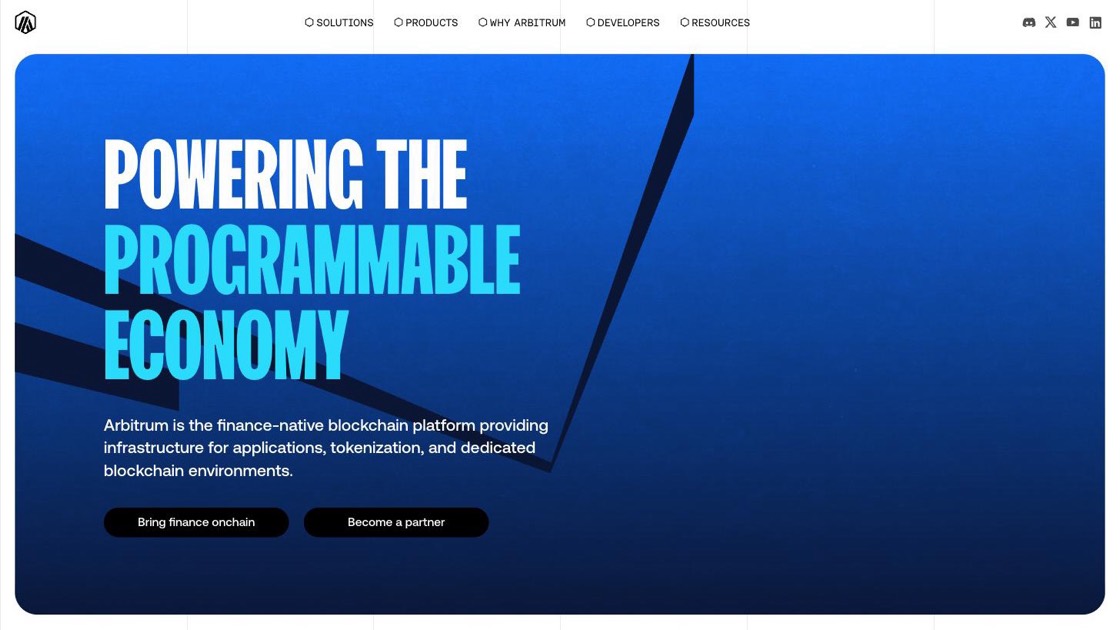
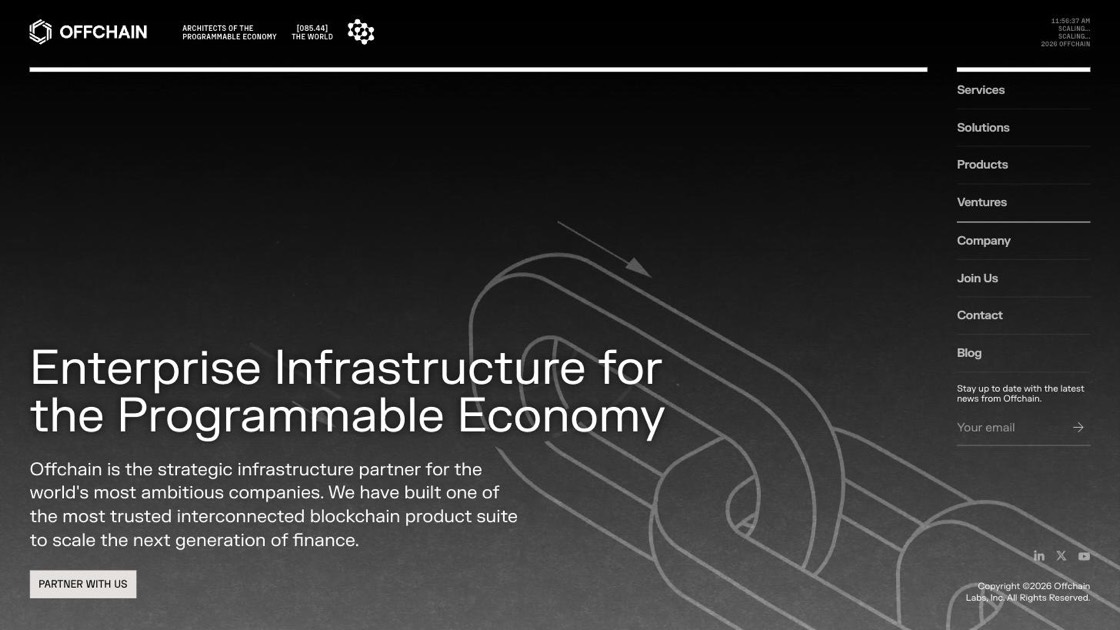
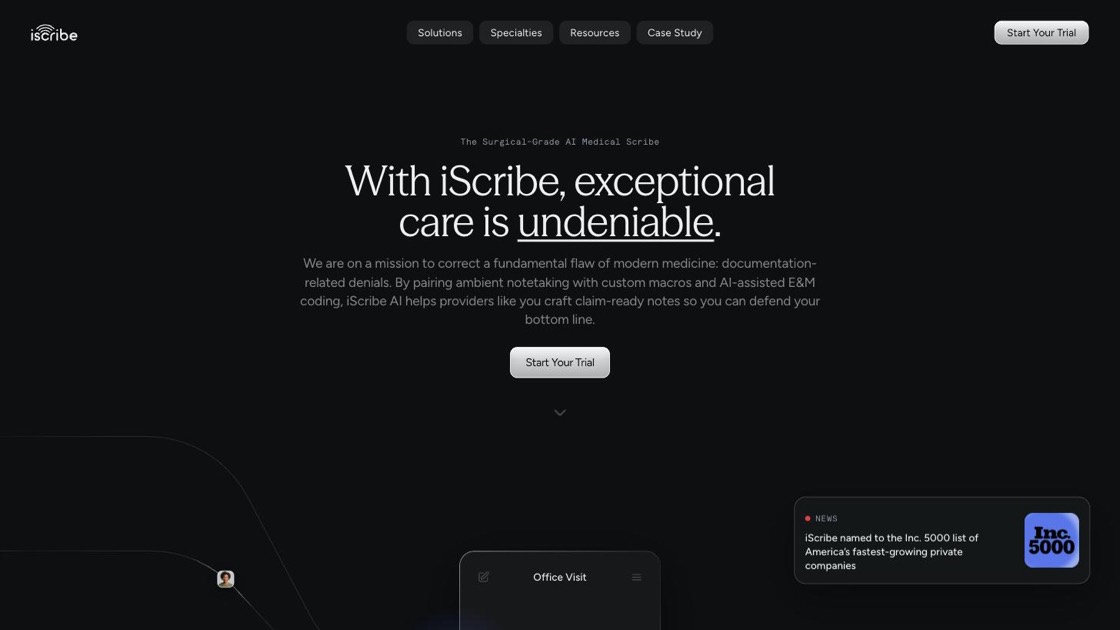
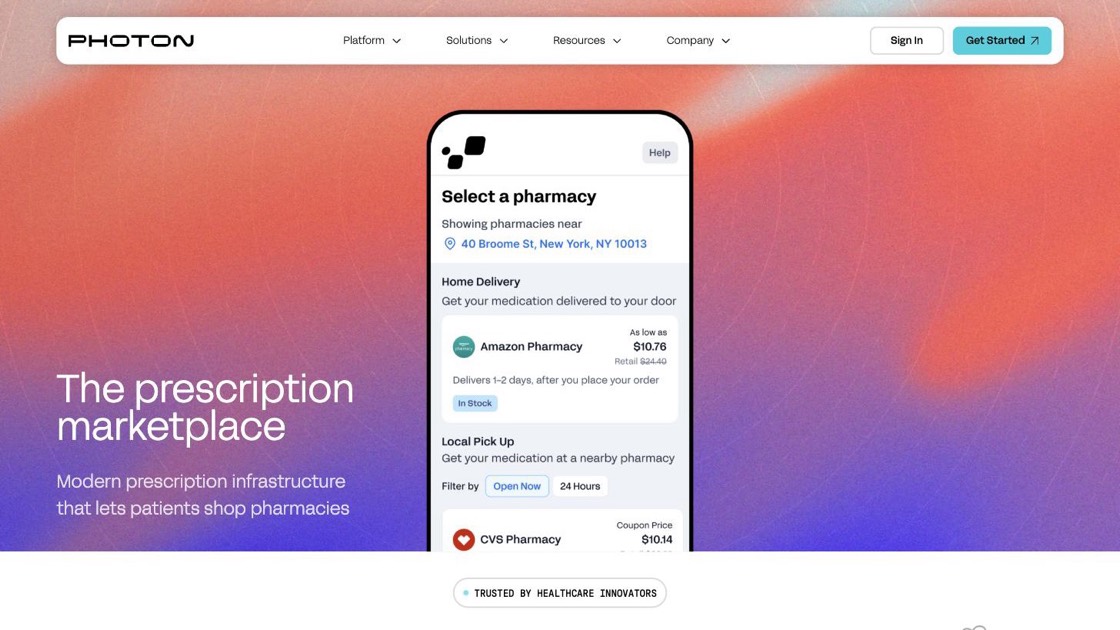
Chosen by some of the smartest founders and marketers we know.














What we make for websites.
Marketing & Brochure Sites
Sites that tell the whole story: brochure sites, a CMS and blog, and how AI assistants describe you.
- Large brochure site
- Small brochure site
- AI search
Ecommerce
Stores that sell: Shopify builds, product pages, conversion, subscriptions, Amazon and retailer listings.
- Large ecommerce site
- Small ecommerce site
- Product page refresh
- Conversion
- Subscription offer
- Amazon
- Retailer listings
Landing Pages & Microsites
A home for one big moment: a launch, a collab, an event or an ad that needs somewhere to land.
- Microsite
- Landing page
Web & Mobile Apps
Focused tools that help people choose, like a product finder, a quiz or a reorder app.
- App or tool
[ Stack ]
The tools we build and connect.
Build
- Sanity
- Shopify
- Vercel
- Resend
- Formspree


Measure
- Google Tag Manager
- Google Analytics
- Plausible
- Fathom


Connect
- HubSpot
- Salesforce
- Attio
- Klaviyo
- Mailchimp


[ Who it’s good for ]
Who a website is good for
- Your site describes the old company
The business has moved on and the site is still selling what it used to be.
- Rebrand
- New offer
- Pivot
- Traffic arrives and leaves
People find you and do nothing. The site needs to ask for one thing and make it easy to say yes.
- Low conversion
- High bounce
- Every change needs a developer
Each edit is a ticket and a wait. Your team should be able to write and publish on their own.
- Hard-coded pages
- Slow edits
- Old CMS
- You’re launching something
A product, a campaign or a shop that needs somewhere to land before the day it goes out.
- Product launch
- Campaign
- New store
